Reimagining AI interfaces beyond the monolithic chatbot.
The PAL (Pluralistic AI Lab) is a collaborative research initiative led by a cross-disciplinary team of artists, designers, technologists, researchers and grassroot organization leaders. The lab’s mission focuses on reimagining AI interfaces and architectures to move beyond “monolithic” single-person chatbots.
01
Developing Pluralistic AI
Researching multi-persona and multi-agent systems that present users with diverse, even conflicting, perspectives to reorient AI interactions from single, authoritative, or “polite” consensus to preserving “honest friction.”
02
Democratizing Deliberation
Creating culturally calibrated AI agents that enable marginalized communities to participate in policy simulations and democratic deliberation rooted in their lived experiences.
03
Addressing AI Harms
Combating the “three faces of harm” in standard chatbot designs: cognitive offloading (erosion of critical thinking), ideological narrowing (manufactured consensus and bias), and epistemic compression (reduction of cultural and value diversity).
02
Projects
Our work spans theoretical frameworks, system design, and real-world pilots with underrepresented communities.
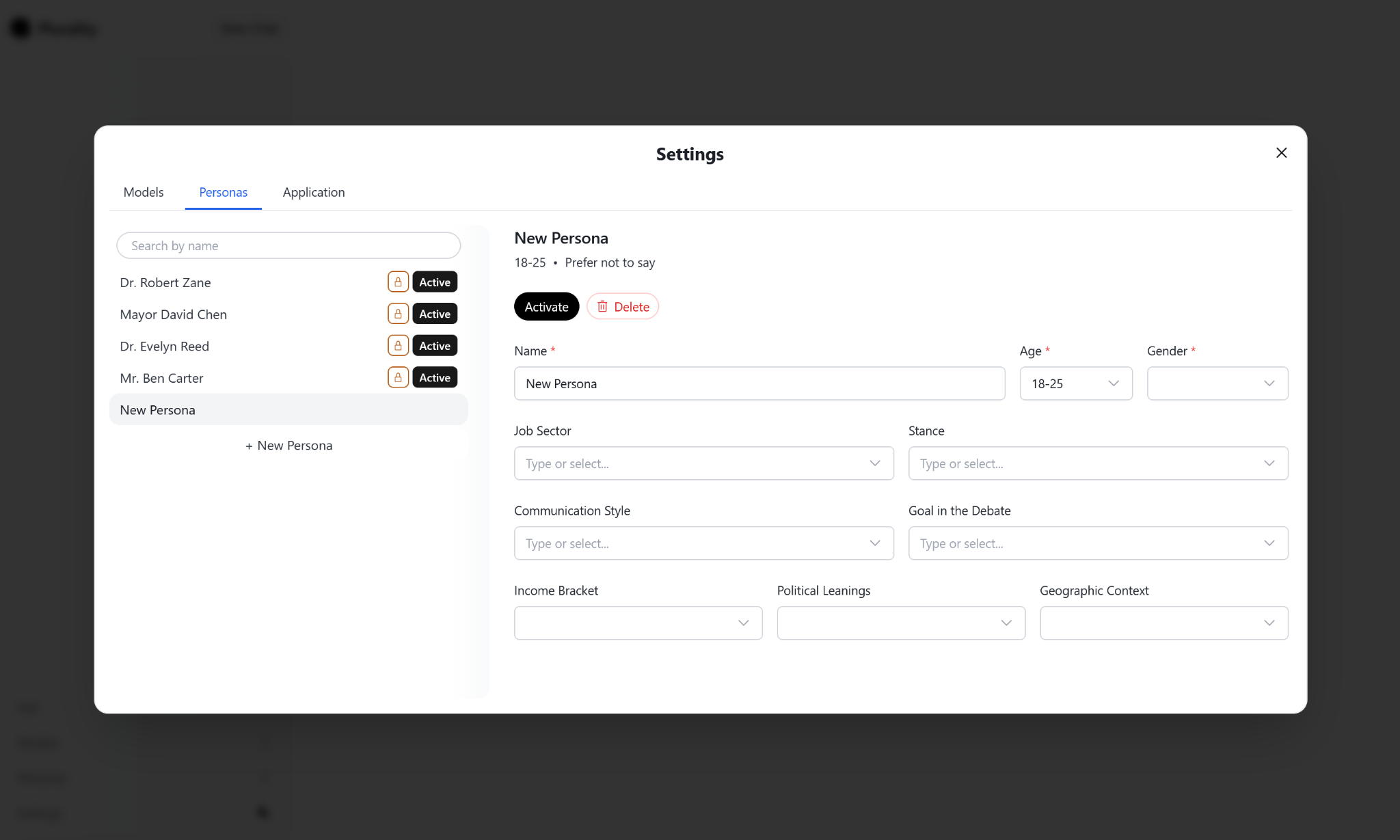
Figure 1 New Persona customization
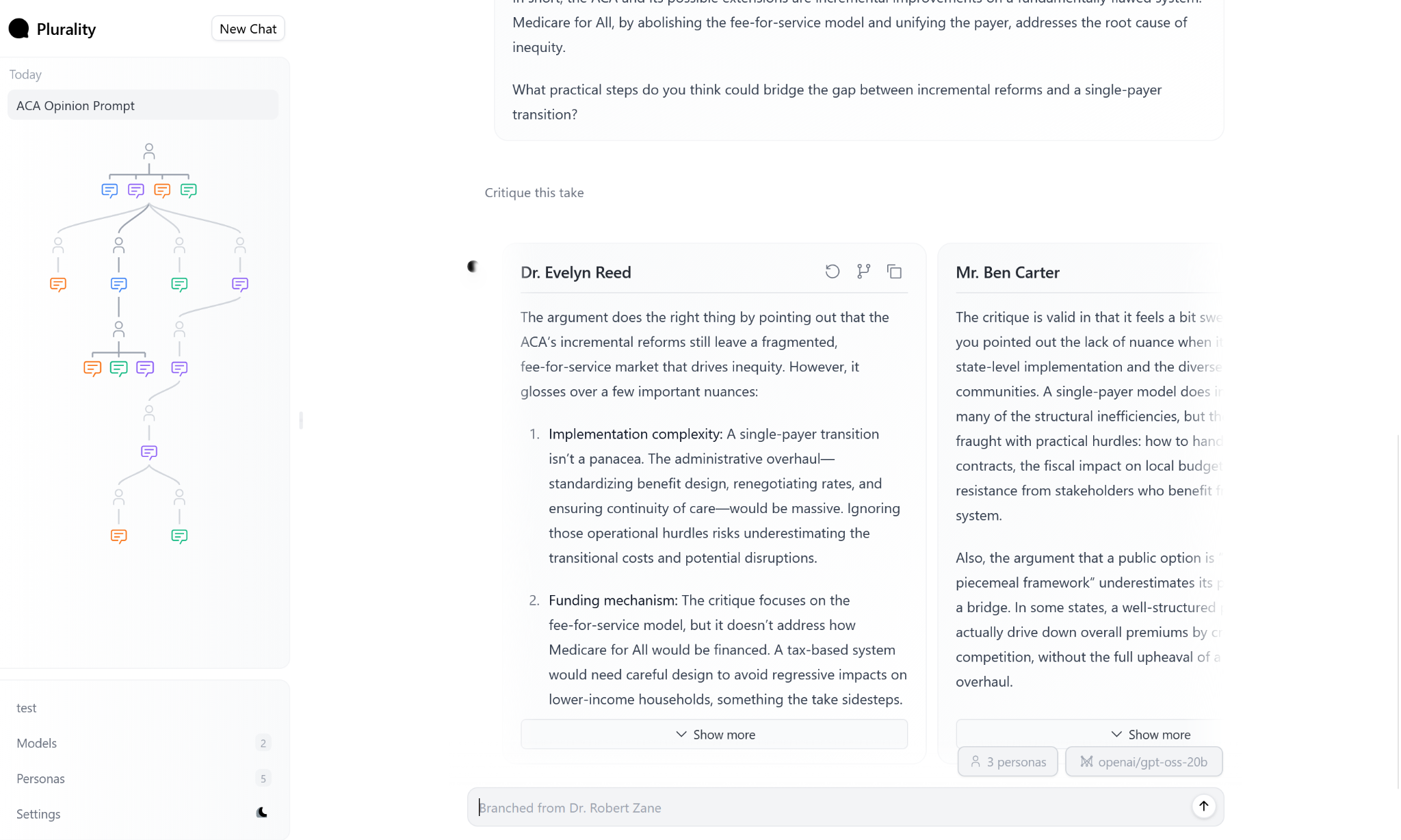
Figure 2 The conversational tree diagram allows users to trace and rewind the lineage of ideas between various personas, each embodying a distinct perspective.
In progress
Beyond the Monolithic Interface: A Research Agenda for Plural Conversational AI
The rapid convergence of artificial intelligence toward conversational chatbot interfaces has made a single interaction paradigm the dominant mode through which hundreds of millions of people engage with AI systems. This narrative review synthesizes research across cognitive science, political studies, AI alignment, game design, and human-computer interaction to identify three interrelated harms produced by the monolithic chatbot interface: cognitive offloading at the level of user thinking, ideological narrowing at the level of user belief, and epistemic compression at the level of cultural and value diversity. We propose multi-persona interfaces, in which multiple distinct personas are presented to the user simultaneously, as a structural intervention that addresses all three harms at once. We create a design taxonomy for multi-persona interfaces and call for a human-centered research agenda that closes the gap between technical pluralistic alignment methods and empirical studies of users interacting with pluralistic interfaces.
The Co·Agents project—a collaboration between researchers at UConn and Tayo/FYLPRO—develops a multi-agent AI system for cross-cultural cooperation in democratic deliberation. By utilizing culturally calibrated AI agents, Co·Agents enable underrepresented communities to run policy simulations at a fraction of the cost of traditional “mini-publics.” The project leverages Tayo’s role as a trusted community information hub to ensure AI-driven governance is rooted in the lived experiences of the global Filipino diaspora, and implements the Kierans framework to measure “honest friction” and misalignment.
Artist, Designer, and Assistant Professor in the Department of Digital Media and Design at UConn. Researching software simulation as a mode of collective un-looping and re-making. Her computational art has been curated by the New Museum, Art Basel, Ars Electronica, and Electra, and she has spoken at ELO, CAA, New York Creative Tech Week, and ISCP.
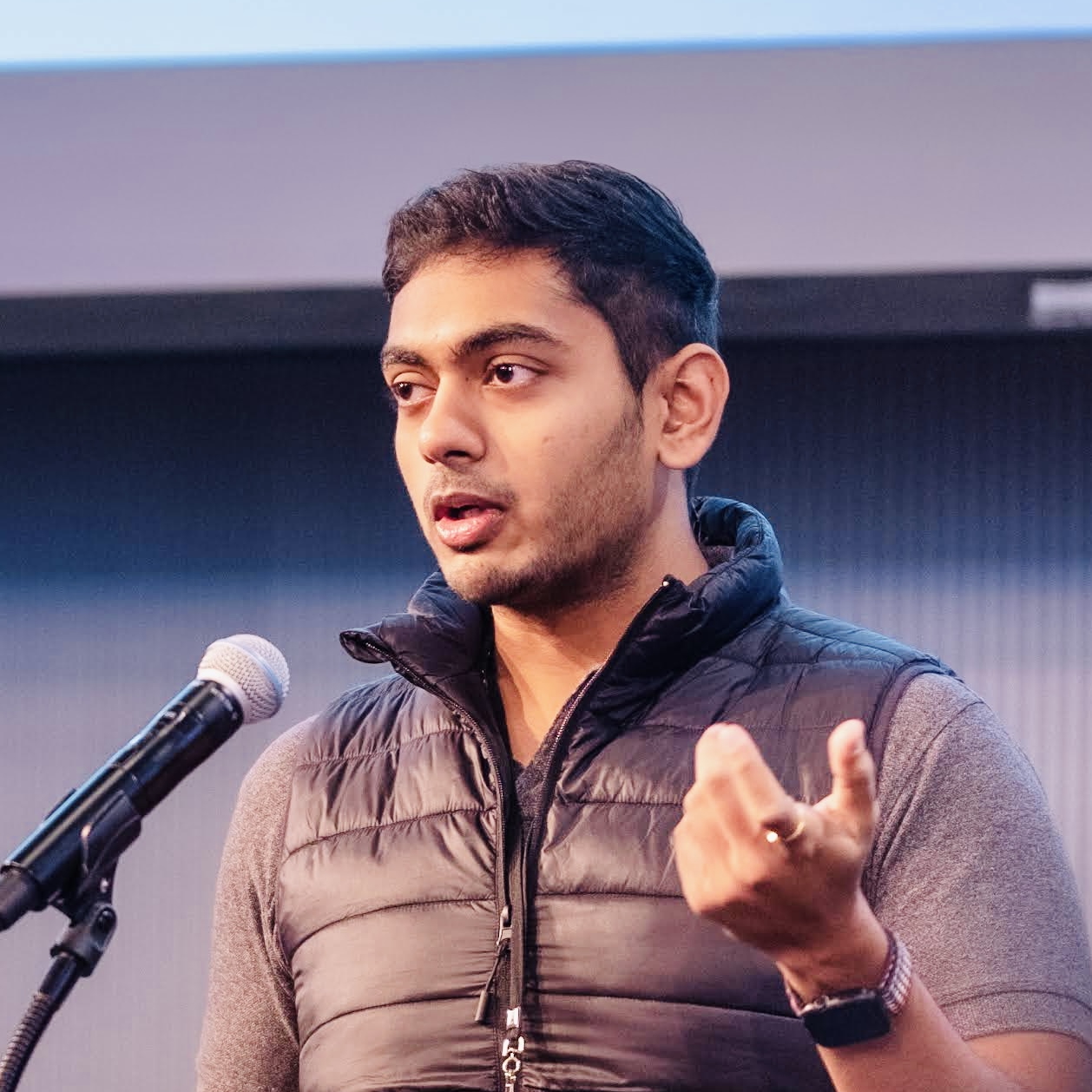
Lead Technical AI Policy Researcher at Hugging Face and Research Affiliate at UConn. He leads the EvalEval Coalition, a multi-stakeholder initiative for rigor in AI evaluations. His work spans algorithmic bias, agent autonomy, and vulnerability disclosure, and has been covered in The New York Times, Forbes, The Guardian, and Wired. His research has shaped AI regulation including in New York City.
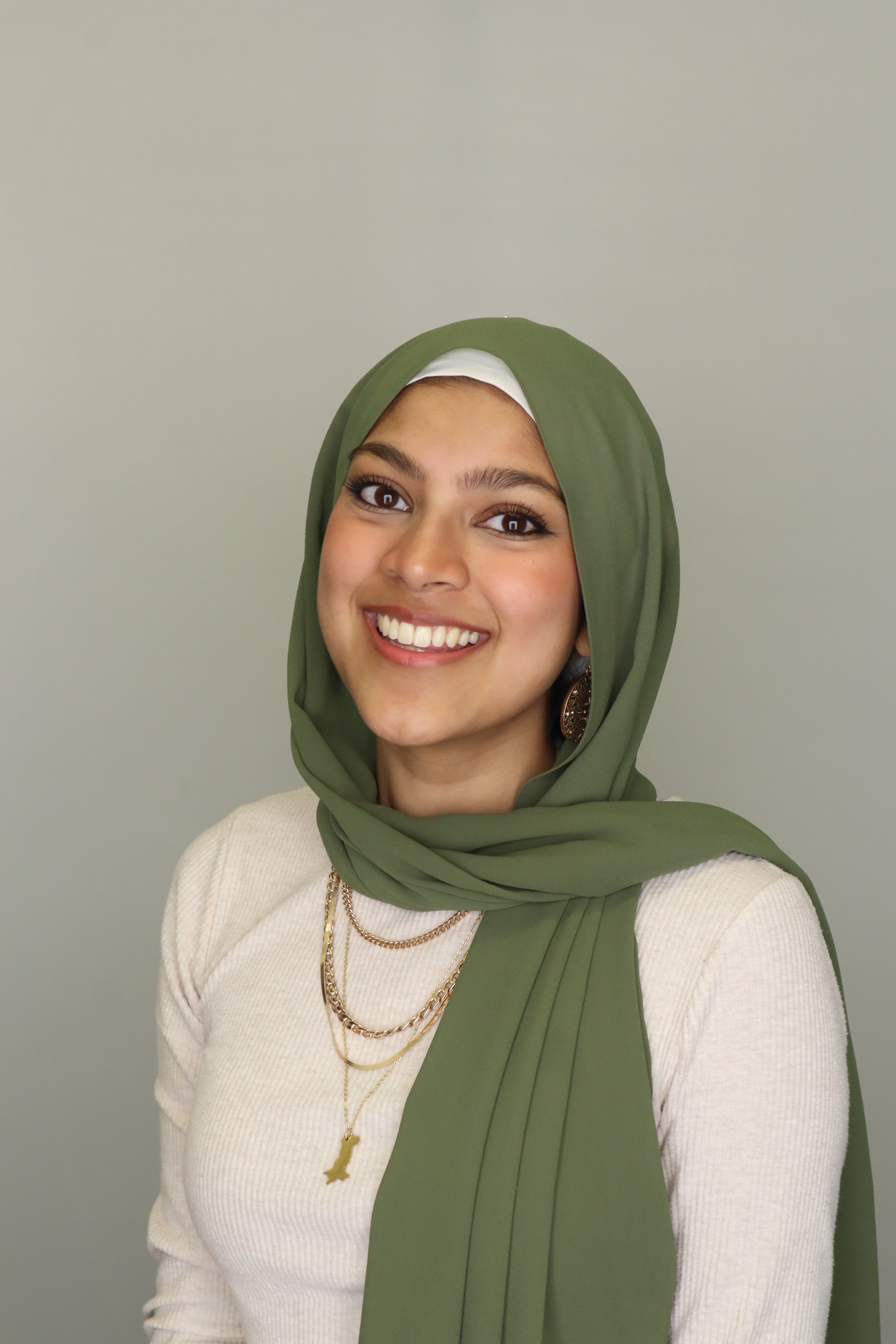
MPhil candidate in Human-Inspired AI at the University of Cambridge, where she focuses on developing methods for evaluating and mitigating bias in LLM-powered social robots. She previously studied computer science and law at the University of Washington, founded a digital literacy program for marginalized learners, and has worked to bridge design, engineering and governance in robotics and AI.
Isabelle Kohout
Researcher · University of Cambridge
MPhil candidate in Human-Inspired AI at the University of Cambridge. Previously a Senior Product Manager at Atlassian building AI systems used by hundreds of thousands globally, and co-leading their responsible AI governance program. Her research investigates how AI shapes individual beliefs and how those beliefs transmit to naive third parties, with implications for epistemic autonomy and democratic resilience.
Researcher · University of North Carolina at Chapel Hill
Assistant Professor in the School of Data and Information Sciences at UNC Chapel Hill and Affiliate Researcher to the Center for Information, Technology and Public Life. His work is on technological bias against historically marginalized populations often overlooked in traditional fairness research.
Jin Gao
Technologist ·
Designer and technologist whose work sits at the intersection of architecture, urbanism, and computer science. Holds a Master of Science from MIT with experience in full-stack development, AI-driven urban platforms, shared mobility simulation for autonomous vehicles, and award-winning IoT devices for climate monitoring and beehive optimization.
Andrew Lawrence
Technologist ·
Technical engineer and socio-technical policy researcher whose work centers on differential privacy and ethical AI governance. He has conducted research in AI alignment and pluralism at UConn and algorithmic fairness at UMich. As Director of Tufts AI Safety, he established the AI Policy Fellowship and Hackathon, and serves on the board of the Auster Center Civic Innovation Program.
UX/Product Designer and MFA candidate at UConn specializing in UX/UI, motion, and interactive media design. With a professional background in product development and strategy, she creates thoughtful, user-centered digital experiences that connect research, design, and emerging technology.
04
Community Partner
We work alongside community organizations to ground our research in real needs and lived experiences.
Tayo / FYLPRO
Tayo is an innovative data hub and information platform created and maintained by the Filipino Young Leaders Program (FYLPRO), a 501(c)(3) non-profit organization. Established in 2020 by FYLPRO’s COVID-19 Task Force, Tayo provides culturally relevant insights, data, and services to help the global Filipino diaspora navigate complex information ecosystems. While its origins were rooted in a virtual help desk for pandemic-related resources, it has expanded into a broader advocacy and research hub addressing public health, legal navigation, and media literacy.
This project has received the generous support of the University of Connecticut Humanities Institute, the School of Fine Arts Research Grant, and the Office of the Vice President for Research in helping to make this project possible.